
The False Choice Between Liberalism and Fundamentalism
The Parallax ViewThis thread traces the book’s challenge to the apparent opposition between tolerant liberalism and religious fundamentalism.
increasing Bearing strength in each event
 decreasing
Bearing strength in each eventdecreasingThe Secular Choice Frame
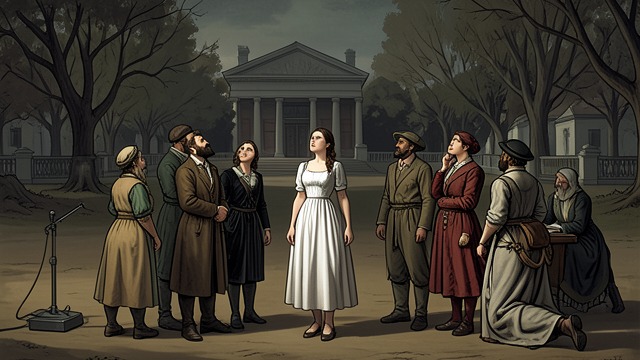
Freedom Within a Script
A staged choice
Amish teenagers are briefly released into the wider world before being asked whether to return. The apparent freedom is structured by their prior discipline and sudden exposure.
Choice has conditions
A choice depends on the available experience and the setting in which it is made. Formal permission alone does not guarantee genuine autonomy.
The Veil as a Test Case
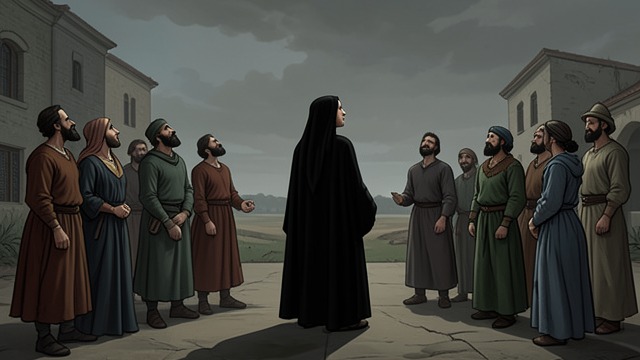
Individual Choice and Belonging
A symbol changes meaning
A veil worn as a personal preference differs from one that expresses communal belonging. Liberal tolerance often recognizes the first more easily than the second.
The hidden coercion
The demand to choose freely can itself require people to abandon their inherited world. The book questions the neutrality of secular choice.
Fundamentalist Certainty

Belief Turns Into Knowledge
Direct certainty replaces distance
The fundamentalist is presented as knowing rather than believing, treating the sacred text as immediately literal and exempt from interpretive conflict.
A threat to belief itself
This certainty erases the fragile act of faith. It also mirrors a skeptical liberalism that reduces belief to an irrational object for judgment.
Liberal Tolerance’s Underside
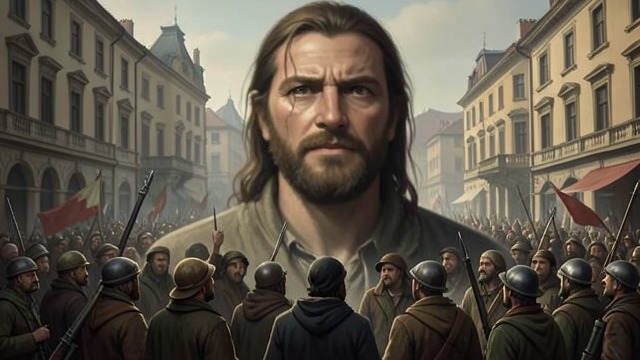
Restraint Can Repress Conflict
The pressure to offend no one
Liberal responses often seek to neutralize religious passion by contextualizing or softening it. This may suppress rather than resolve the force at stake.
A third position
The book rejects both fundamentalist certainty and easy liberal dismissal. It calls for criticism of the ideological core of religious as well as secular commitments.
A Political Alternative
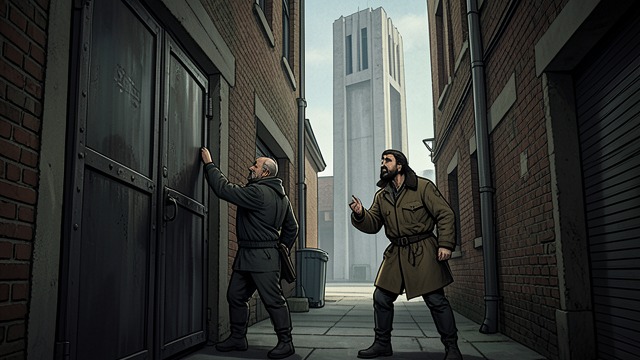
Beyond the Binary
The enemy is not simply outside
The liberal and fundamentalist positions can sustain one another by defining the available choices. Their apparent opposition may conceal a shared social order.
A difficult alliance
The book asks whether those mobilized by moral anger might become allies against the economic order that fuels their grievances. Such a coalition is possible but not assured.
Chapter 6, discussion of Amish rumspringa
Chapter 6, discussion of religious dress
Chapter 6, discussion of belief
Chapter 6, discussion of Passion of the Christ
Chapter 6, concluding discussion
